
How to Adjust a Garage Door for Smooth Operation (and Why You Should Call a Professional)
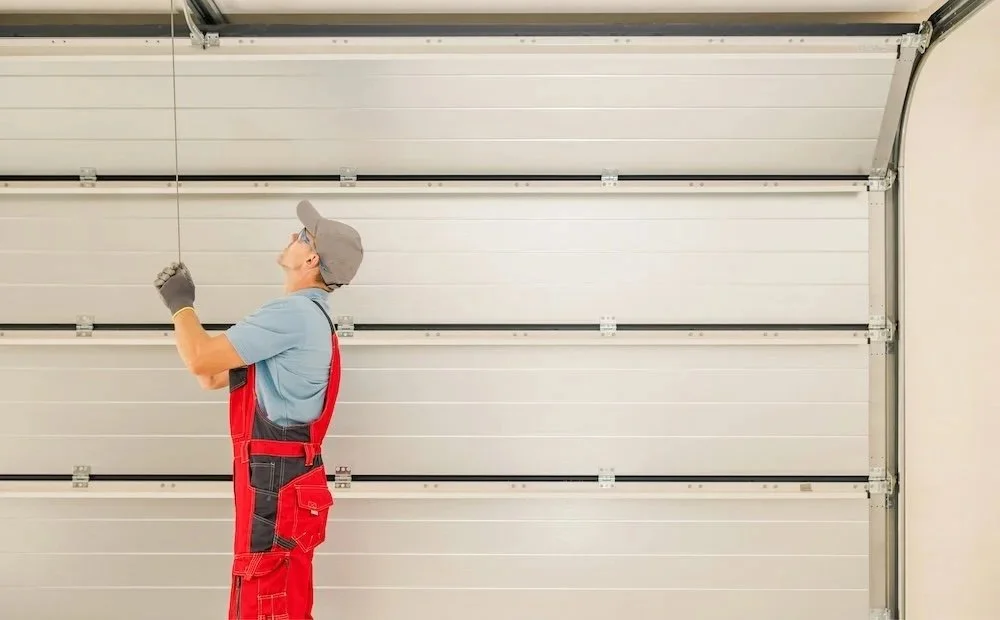
A garage door is one of the heaviest moving systems in your home, and smooth operation depends on precise adjustments across multiple components ⚙️. When even one part is slightly off, it can lead to noise, jerky movement, premature wear, or serious safety risks.
Signs Your Garage Door Needs Adjustment 🚪
If your garage door shakes, binds, moves unevenly, or stops short of fully opening or closing, it’s often a sign that something is misaligned 🔧. You may also notice excessive noise, a door that feels heavier than usual, or an opener that strains during operation.
These symptoms usually indicate underlying mechanical issues that worsen over time if not corrected early ⚠️.
Garage Door Travel Adjustments Explained 🔄
Garage door openers rely on travel limits to tell the motor how far the door should move up and down. If these limits are incorrectly set, the door may slam shut, stop before sealing properly, or reverse unexpectedly.
Proper travel adjustment ensures the door fully closes against the floor without excess force and opens to the correct height without stressing the opener or springs 📏. Incorrect travel settings are a common cause of premature opener failure.
Why Straight Rails and Proper Alignment Matter 📐
Garage door tracks (rails) must be perfectly straight, plumb, and parallel for smooth operation 🛤️. Even slight bends or misalignment can cause rollers to bind, jump, or wear unevenly.
When rails are not aligned correctly, the door may rub, wobble, or pull to one side — placing unnecessary strain on cables, hinges, and the opener ⚠️. Proper alignment reduces noise and significantly extends the lifespan of the system.
Strong Structural Fastening Is Critical 🪛
Garage door hardware must be securely fastened into solid framing — not drywall or weak backing 🧱. Loose brackets, lag bolts pulling out of wood, or poorly mounted opener supports can cause dangerous movement during operation.
Professional fastening ensures tracks, springs, and opener mounts stay rigid under load, preventing vibration, shifting, and sudden failures 🔩.
Lubrication and Hardware Tuning for Smooth Motion 🧴
Proper lubrication of rollers, hinges, and bearings reduces friction and noise while improving overall door movement 🤫. At the same time, loose fasteners must be tightened and worn components identified before they fail.
This combination of lubrication and tuning is often what transforms a loud, rough garage door into a smooth, quiet system again ✨.
Why DIY Garage Door Adjustments Can Be Dangerous ❌
Many garage door adjustments involve high-tension springs and heavy components that can cause serious injury if handled incorrectly 💥. Spring tension, in particular, should never be adjusted without proper tools and experience.
What looks like a simple fix can quickly turn into a broken cable, damaged opener, or personal injury — often costing far more than professional service 💸.
Why Choose Peak Handyman Services for Garage Door Adjustments 🔝
At Peak Handyman Services, we take a system-wide approach to garage door adjustments 🏠. We inspect travel limits, rail alignment, fastening integrity, roller condition, and overall balance — not just the obvious problem.
Our experience with Calgary homes means we adjust garage doors to perform reliably through temperature swings, seasonal movement, and daily use 🤝.
When to Call a Professional 📞
If your garage door is noisy, uneven, slow, or behaving unpredictably, it’s best to address it before it becomes a safety hazard ⏱️. Professional adjustment improves reliability, protects your opener, and keeps your home secure.
Contact Peak Handyman Services today for expert garage door adjustment and enjoy smooth, safe operation year-round 🚀.