
Smart, Low-Cost Home Upgrades to Make Before Selling
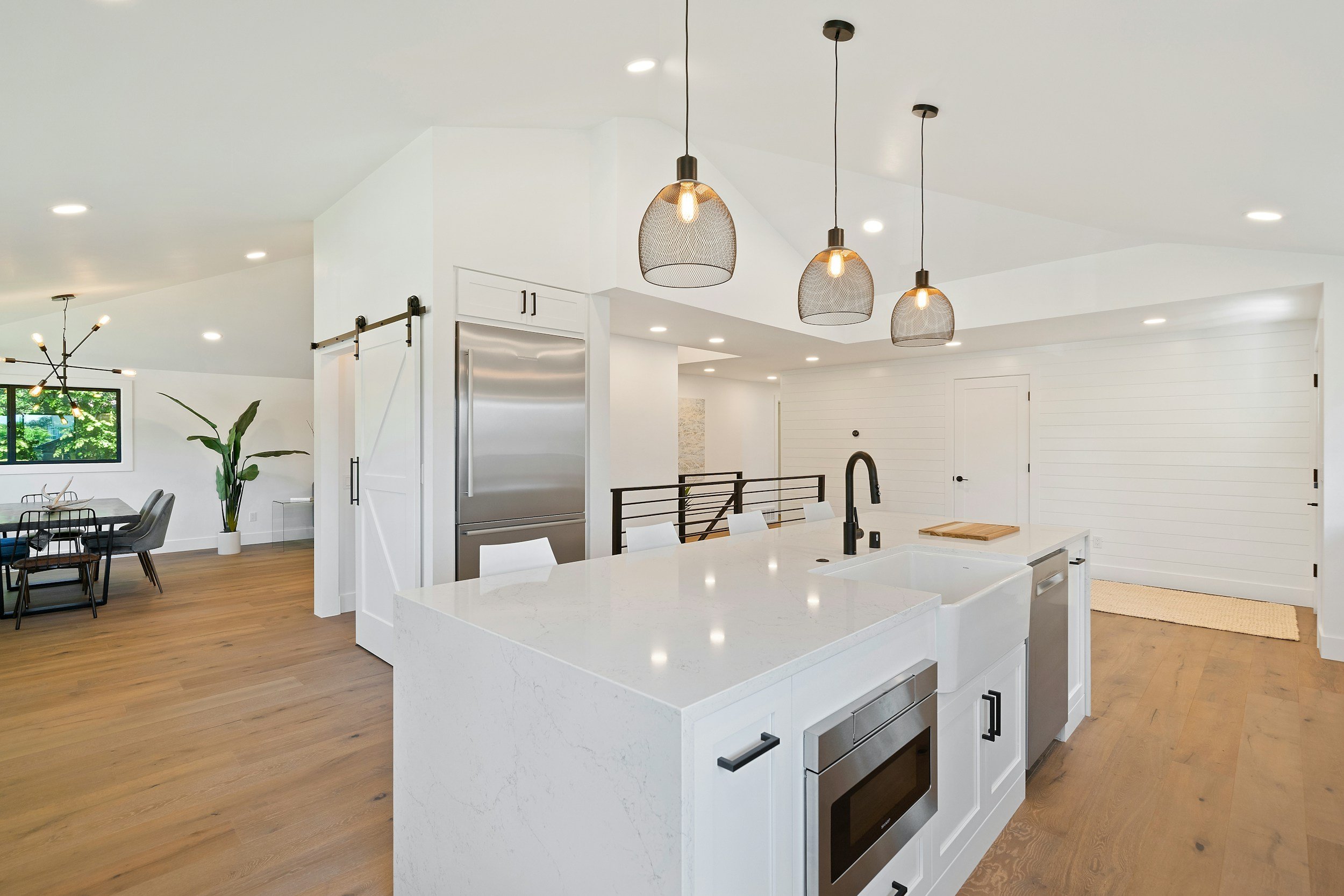
When preparing to sell your home, it’s easy to assume you need a full renovation to attract buyers. The truth is, most buyers decide emotionally within the first few minutes of a showing — and that decision is driven almost entirely by how the home looks and feels, not by major structural upgrades.
The good news? Many of the upgrades that make the biggest impact are low-cost, fast, and focused on visual details.
Below are the most effective improvements homeowners can make before listing — especially if you want maximum return without overspending.
1. Fresh Paint: The Highest ROI Upgrade
If you do one thing only, make it painting.
Why paint matters so much
Instantly makes the home feel cleaner and newer
Covers scuffs, stains, and wear buyers subconsciously judge
Helps buyers imagine their furniture, not yours
What most sellers don’t know
Neutral doesn’t mean white everywhere
Warm neutrals (soft greige, light beige, warm gray) perform better than stark white
Inconsistent paint colors between rooms makes homes feel chopped up and smaller
Cost-saving tips
Focus on main areas: entryway, living room, kitchen, hallways
Spot-paint ceilings with water stains instead of repainting entire ceilings
Paint trim and doors — buyers notice these immediately
👉 Painting is often the cheapest way to add perceived value.
2. Fix Drywall Imperfections (Buyers Always See Them)
Buyers may not comment on drywall issues — but they absolutely notice them.
Common problem areas:
Nail holes from artwork
Cracks near doors and windows
Poorly patched areas that were never sanded properly
Corner damage from furniture or pets
Why this matters
Even small drywall flaws suggest:
“What else hasn’t been maintained?”
A few hours of proper patching, sanding, and repainting can make walls look brand new.
3. Upgrade the Details Buyers Touch
This is an area many homeowners overlook — but buyers don’t.
Small upgrades with big impact:
Door handles and hinges
Cabinet hardware
Light switch and outlet covers
Old or yellowed caulking around tubs and sinks
Why it works
Buyers physically interact with these items during showings. If they feel loose, outdated, or dirty, it lowers confidence in the entire home.
These upgrades are:
Low cost
Fast to install
Extremely noticeable
4. Improve Lighting (Without Rewiring)
Dark homes feel smaller and less inviting.
Easy lighting improvements:
Replace outdated or mismatched fixtures
Install brighter, warm LED bulbs (consistent color temperature)
Clean fixtures and glass covers
Add simple under-cabinet lighting in kitchens
💡 Bright, even lighting makes rooms feel larger and more modern — without renovations.
5. Refinish Instead of Replace
Before you replace anything expensive, ask:
“Can this be refreshed instead?”
Examples:
Re-caulk bathrooms instead of remodeling
Touch up cabinets instead of replacing them
Paint or refinish interior doors
Clean and polish floors instead of full replacement
Buyers value clean and well-maintained more than brand-new.
6. Entryway & First Impressions Matter More Than You Think
The first 30 seconds of a showing sets the tone.
Focus on:
Front door paint or refinishing
Clean baseboards and trim
A well-lit entry
No visible wall damage near the entrance
If the entry feels cared for, buyers assume the rest of the home is too.
Final Thought: Think Like a Buyer, Not an Owner
Before listing, walk through your home and ask:
What looks unfinished?
What feels dated?
What would I notice in the first 5 minutes?
You don’t need luxury upgrades — you need confidence, cleanliness, and consistency.
Strategic repairs and visual improvements help your home:
Show better
Sell faster
Avoid low offers based on “condition”
Thinking of selling your home?
Small repairs and visual upgrades can make a big difference in how quickly your home sells — and for how much. If you’d like help tackling painting, drywall repairs, or other pre-sale improvements, we’re here to help.
👉 Request a free estimate today and let’s focus on the upgrades that give you the best return — without overspending.